
Portfolio
Portfolio
The Belief Diet
Everyone is following the buzz on health trends — maxxing this, hacking that. But not enough people are reckoning with what's actually driving the shift, or what brands should responsibly do about it. As institutional health authority erodes in the US, what Americans eat has become less a matter of science and more a matter of faith — who they trust, which community they belong to, and which account of the food system feels true to them.

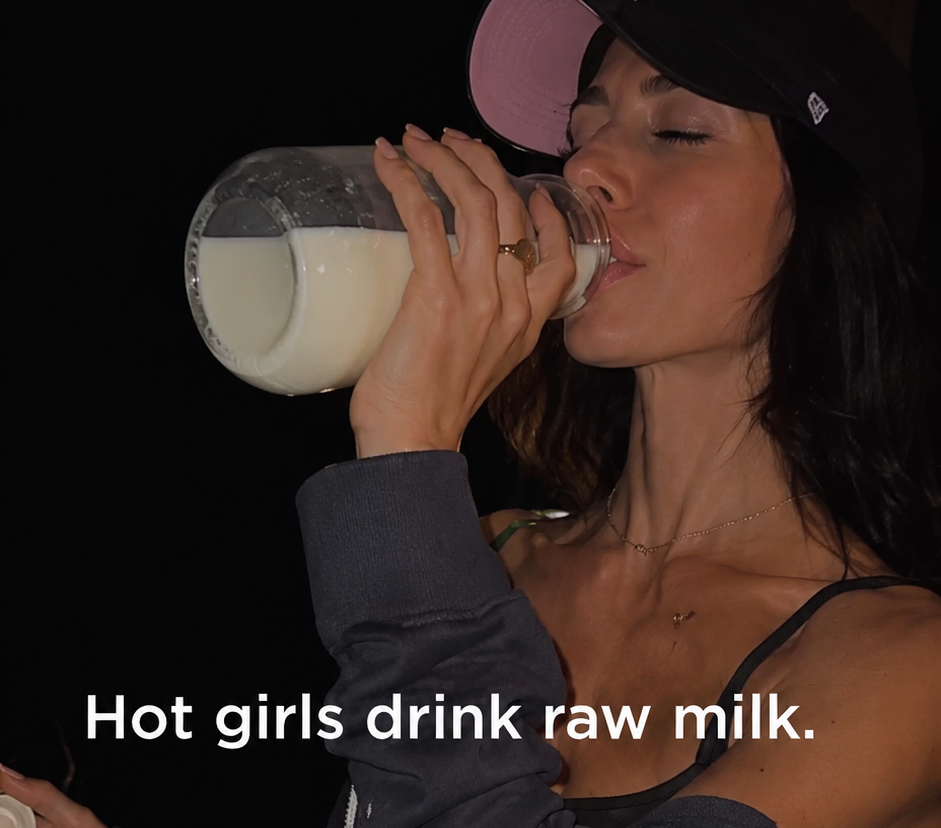
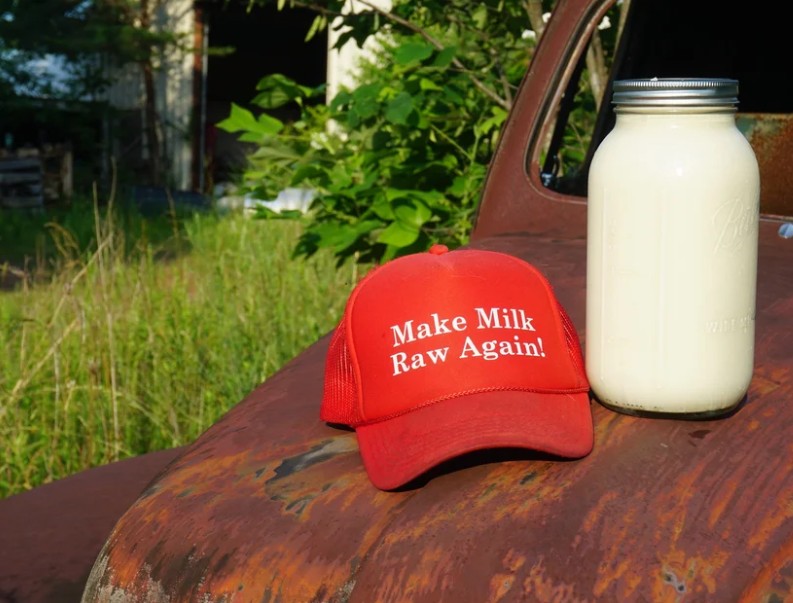
The conditions for this have been building for years. FDA confidence has dropped from 74% to 62% since 2024, and the CDC has followed a near-identical trajectory, falling from 76% to 60% over the same period. The more telling fracture sits inside these numbers: career scientists at federal agencies hold the confidence of 67% of Americans, while the political leaders of those same agencies command just 43%. Into that vacuum, something more emotionally powerful has moved in. According to Rooted Research Collective, nearly 20% of Americans now report trusting health influencers more than local medical practitioners, and 38% of Gen Z treat social media as a trusted health source. The raw milk drinker, the biohacker, the seed oil denier — each is selecting a story that makes their choices feel purposeful and their identity feel coherent. Raw milk sales spiked between 21% and 65% across tracked states between 2023 and 2024, even as bird flu detections rose in the dairy supply — and for its drinkers, the habit signals identity, sovereignty, and a refusal of the mainstream food system far more than it signals nutrition.
The fractures run through individual consumers too, not just culture. According to Midwest Dairy's March 2026 data, protein ranks first among Americans' top ten food priorities — yet the highest-protein products people seek are also among the most heavily processed on the market. The GLP-1 landscape makes this complexity especially concrete. Within six months of starting a GLP-1 medication, US households reduce grocery spend by an average of 5.3%, shifting toward yogurt, fresh fruit and nutrition bars while cutting savory snacks and sweets — a shift significant enough that Mars acquired Kevin's Natural Foods and Ferrero acquired Power Crunch in direct response. Yet 77.6% of GLP-1 users abandon a snack purchase due to product overload or layout confusion, and 69% of global users report interest in natural alternatives that stimulate the same hormones. As strategist Tanita de Ruijt argues, the industry has been flattening genuine complexity into a single archetype — the underlying motivations behind why someone started the medication are where the real commercial opportunities lie.
The obvious brand instinct is to follow whichever belief system is gaining ground. But as sociologist Professor Stephanie Alice Baker observes, the erosion of institutional trust encourages people to seek alternative authority figures — and the person who feels misread doesn't disengage, they defect. Consumers are arriving at the shelf with conclusions already formed, scanning barcodes via apps like Yuka to override front-of-pack claims entirely. Chasing the trend is exactly what today's suspicious consumer is waiting to catch you doing.
The brands that hold up are the ones clear enough about their own purpose that trust survives when the moment passes. Oatly's fckoatly.com — a site the brand built to catalog every controversy against it — worked not because it was clever, but because it made explicit what the brand had always stood for. Lowes Foods' Brown Bag private label, built around a '7 No's' ingredient commitment, demonstrates what belief-system-specific communication looks like at shelf level. And Nestlé's Vital Pursuit line foregrounds protein density and gut health rather than low-calorie positioning — signalling it understands what GLP-1 users are actually managing. Coherence, not resonance, is the strategic advantage right now.