
Portfolio
Portfolio
How US Gen Z sports fans are rewriting game-day drinking
It's a Saturday afternoon in October, and the tailgate lot outside Lambeau Field, home of the Green Bay Packers, is alive with pre-game energy. The air is crisp, the smell of hotdogs pervasive. Fans in cheese-head hats crack open coolers, pulling out beer after beer. But something's different this year. A younger fan reaches into a cooler and pulls out an Athletic Brewing non-alcoholic beer – something that would have once been considered a rogue choice. Fast forward to the fourth quarter inside Lambeau's bowl, and alcohol sales have stopped after the third quarter – a policy in place since the early 2000s to curb stadium violence. Soon, yellow balloons begin floating up from the aptly named Section Yellow, a designated sober fan zone founded in 2020, rising into the bowl of Lambeau Field. [1] The color signals sobriety support, as fans who choose not to drink are marking their place in the experience and choosing to participate on their own terms.
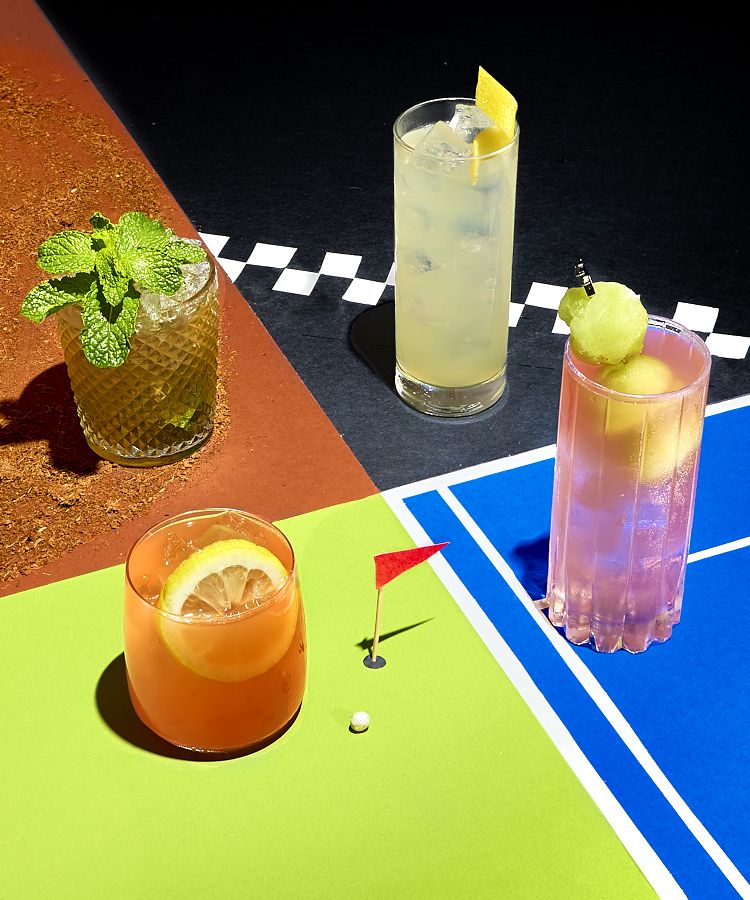
This moment would have been unthinkable to previous generations of sports fans. Since the end of Prohibition, beer had been the default beverage at American sporting events. Anheuser-Busch's Super Bowl exclusivity deal ran from the late 1980s until 2023, a testament to the chokehold that alcohol maintained within sports culture. [2]But in 2025, the paradigm is shifting. During the 2025 NFL opening weekend, beer sales declined, while RTDs rose by 37.6% and non-alcoholic options jumped by 39.7%. [3]While 55 out of 68 Power Five conference schools now sell alcohol in their stadiums, the variety of what they’re selling has likely changed: alongside a wider selection of alcohol including craft beers, hard seltzers, and spirits, non-alcoholic options now share shelf space with traditional lagers. [4]
Today's younger fans are the ones rewriting the script. Gens Z and Y bring new priorities: wellness, performance optimization, and intentionality. In 2025, 65% of Gen Z planned to drink less, while 39% aimed for a completely dry lifestyle. [5]More broadly, the number of Americans who drink alcohol has dropped to 54%, confirming this isn't just a youth phenomenon but a broader cultural shift. [6] Drinking less doesn't mean drinking nothing; today's fans want options: a craft IPA for the first quarter, a pre-mixed cocktail during the second half, and maybe a non-alcoholic option towards the game’s close as they mentally prepare themselves for going home. Moderation isn't necessarily abstinence but a new iteration of contemporary choice architecture, where fans control the pace, intensity, and duration of their interactions with drinking rather than letting alcohol overwhelm the entire experience. Beer isn't disappearing from stadiums altogether, but its monopoly on fan culture is certainly an uncertain thing.