Canvas8 reports are available to Canvas8 subscribers. What follows is an adaptation of the research; the full report can be accessed via the View Report link.
Abstract
A group of teenagers sits on a park bench in Berlin, with a speaker playing the latest Deutschrap track. Between them is a frozen pizza heated at a friend's apartment and a few cans of iced tea, both carrying the face of the rapper on the speaker. In the US, hip-hop stars partner with luxury fashion houses. In Germany, they go to the supermarket. Capital Bra sells halal frozen pizza, Xatar has his own ice cream, Shirin David makes iced tea, and CRO has a breakfast cereal. They bring halal options, flavors from migrant kitchens and a street credibility no marketing department can manufacture, and young fans are choosing them over the brands their parents bought. Heritage names like Dr. Oetker, which have owned German kitchens for generations, now share the freezer aisle with the rapper on the speaker.
The research draws on interviews with Jonas Vail, a Berlin-based brand strategist, and Ralf Richter, head of creative strategy at Frankfurt food marketing agency Taste.
The findings
Germany is the world's fourth-largest market for hip-hop streaming, ahead of France and the UK, and among 14 to 19-year-olds, 72% listen to hip-hop and rap, compared with 29% of the population overall. Local acts dominate the charts, and fans feel a direct connection to artists who grew up where they did.
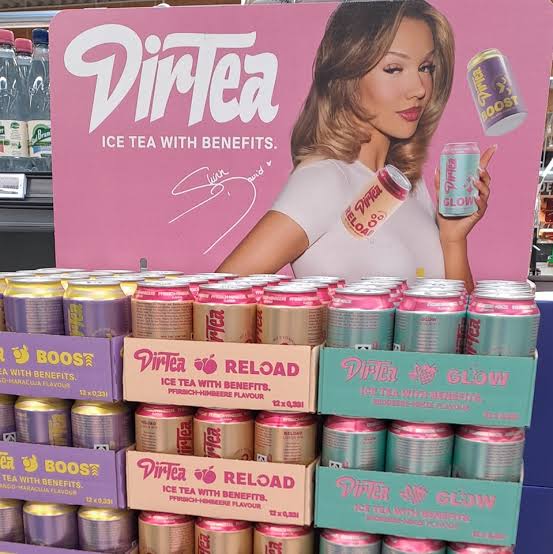
Rappers sell what fans actually eat. Capital Bra's halal frozen pizza, Gangstarella, has sold more than ten million units, out-earning his music. It was developed with Universal Music Group, whose team went looking for stagnant categories. "Pizza, iced tea, and chips, zero innovation," says UMG's Tino Kunstmann. Others followed: Xatar's G'Lato ice cream, Shirin David's DirTea iced teas, and CRO's Spacies breakfast cereal.
About one in four people in Germany has a migrant background, and halal product launches quadrupled between 2019 and 2022. Xatar, who is of Iraqi descent, launched a falafel and köfte line with Aldi Nord, and one Gangstarella variety is topped with Turkish sucuk. "The demand for international flavours in Germany's cuisine, propelled by cultural diversity and demographic shifts, underscores the importance of diversification for Germany's culinary identity," says Richter. For fans, buying the pizza is also a statement. "I thought I'd rather give Capi my money than Dr. Oetker," said rapper Toxik on a panel.
Massiv runs Baba's Döner restaurants across Berlin, and Sido sells his own barbecue range. Even global brands are buying in: Havana Club, better known for working with international stars, released limited-edition cans with German rappers Capo and Haftbefehl. "The accessibility of the artists creates a kind of trust among consumers that a company cannot achieve," says Fabian Huber of UniBev, the company behind Capital Bra's iced tea.

What this means for brands
- Upgrade the everyday: UMG chose frozen pizza and iced tea because it saw no innovation in either, which left room for a new voice.
- Lead with personality: in these categories, personality-led launches are what drive the innovation. The rapper's name and story give a familiar product a new reason to exist, and fans trust a reachable artist in a way no company can.
- Stay on the shelf: the appeal lies in food friends share and in what a supermarket pizza says about where an artist comes from.
- Treat diversity as a product decision: halal options and migrant-kitchen flavors widen who a product is for. Toblerone's 2018 halal certification drew far-right outrage, and as that movement grows, brands need to know which customers they are prepared to lose.
Canvas8 is a behavioural insights agency whose reports are used by brands and agencies worldwide. This page highlights key findings from the report; the full version is available to Canvas8 members.
Alice Sweitzer

