Canvas8 reports are available to Canvas8 subscribers. What follows is an adaptation of the research; the full report can be accessed via the View Report link.
Abstract
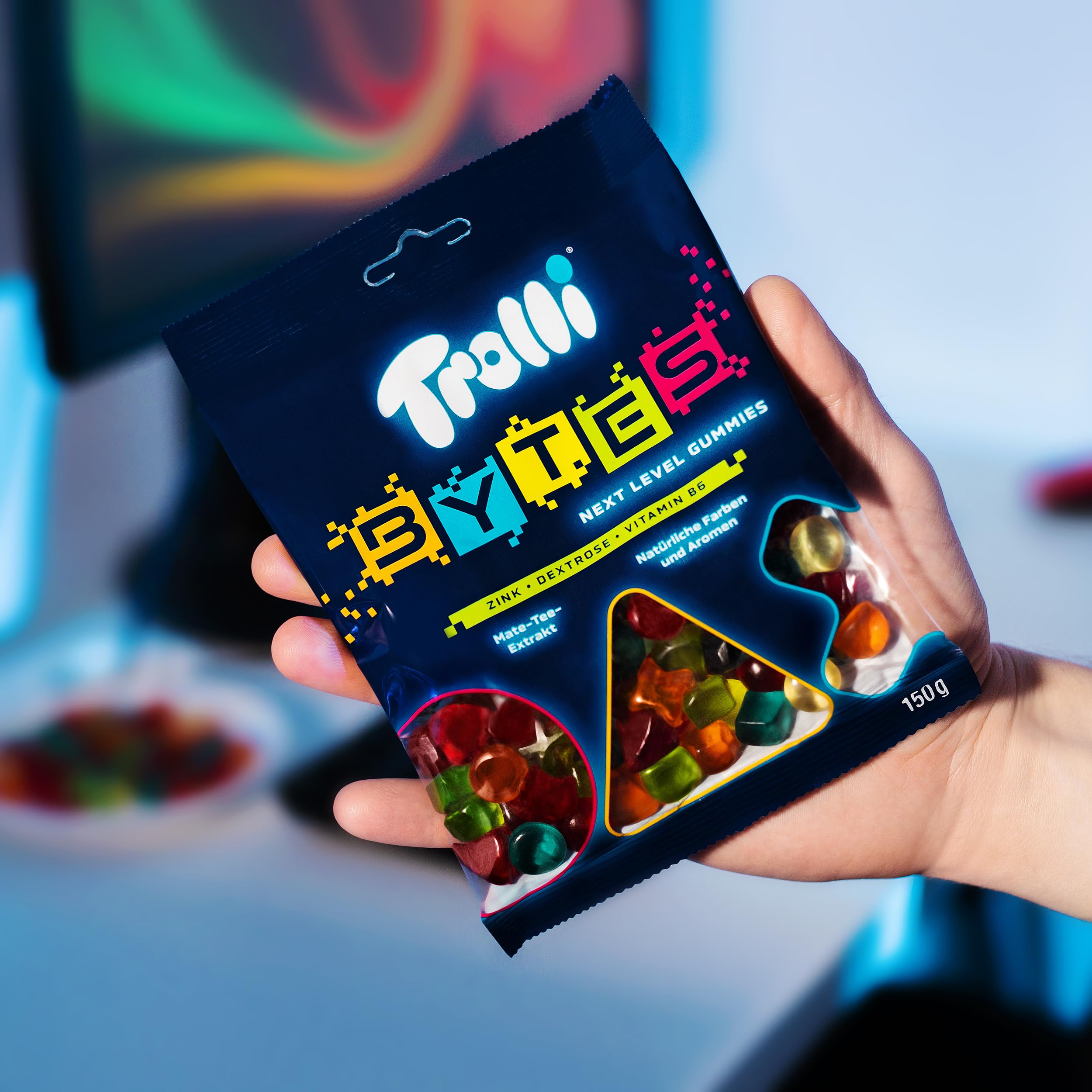
Deep into a ranked match, the desk tells the story: where there used to be an energy drink and a bag of chips, there's now a shaker of ginseng and bacopa powder, a pack of blue-light gummies, and a smart ring tracking the player's heart rate. The old image of the gamer as pale, wired and living on junk no longer fits. Older generations answered too much screen time with a digital detox. Gen Z gamers are building their health around the screen: they treat play like a sport and their bodies as part of the setup, tuned and tracked as carefully as the hardware.
The research draws on interviews with Felix Schütz, managing director of gaming strategy firm GAMIFYD; Andrea Basunti, semiotics expert and founder of Meaning Agency; and Sofia da Costa, a Porto-based nutritionist.
The trend of ‘gamer wellness’ among Gen Zers is revolutionising how gamers approach their wellbeing, replacing traditional stereotypes of unhealthy habits with a focus on natural supplements, holistic health, and wearable technology. How can brands tap into this wellness shift in the gaming realm?
The findings
81% of Gen Zers across 33 markets played games in the past six months, averaging more than seven hours a week, and they rank gaming above TV and music streaming as their preferred entertainment. It's also becoming a recognized sport: the International Olympic Committee launched its first Olympic Esports Series in 2023.
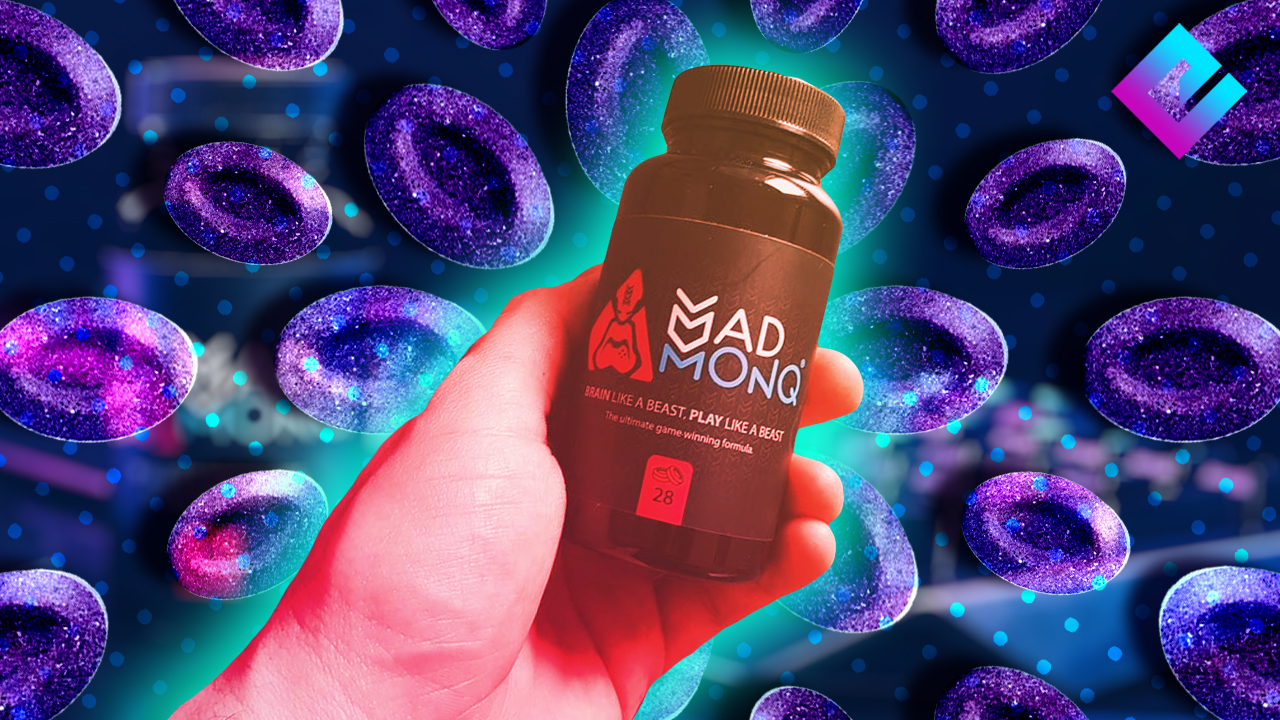
Gen Z is the most sober generation yet, and 36% choose natural foods to avoid artificial ingredients. Brands are building for gamers specifically. MADMONQ blends ginseng and bacopa and wants supplements to be as essential as hardware by 2030. Gamer Advantage sells a sleep blend, and Viteyes makes supplements against blue-light eye strain. Berlin's HOLY raised €10.5 million for its natural drinks. "Gamers now recognise that optimising their wellbeing is not solely about levelling up in the game; it extends to enhancing their lives as a whole," says Basunti.
Like an avatar, the body now comes with stats. 30% of Gen Zers use health wearables, compared with 12% of Boomers, and more than half would share that data with a health insurer or app. Fitness games like Supernatural turn boxing and other workouts into high-score challenges, with heart-rate data synced to fitness apps.
Gen Zers use digital mental health programs 50% more than Gen Xers or Boomers. Streamer Dr. K of HealthyGamerGG teaches more than 700,000 followers skills like journaling and eating well. "People play games to feel good," says Schütz.
What this means for brands
- Talk to them like athletes, in the language of performance, recovery and sleep.
- Make rest part of the game: gamers tune out messages that only cast screens as the problem, so build sleep, breaks and recovery into how a product talks about play, especially where younger players are involved.
- Frame benefits as upgrades: gamers think in stats, so sharper focus, faster recovery or better sleep scores land as measurable gains.
- Meet them inside the game: nutritionist Sofia da Costa suggests health brands partner with game developers, so a product can show up in play itself.
Canvas8 is a behavioural insights agency whose reports are used by brands and agencies worldwide. This page highlights key findings from the report; the full version is available to Canvas8 members.
Alice Sweitzer